Professional Fence Planning & Layout
Fence Design in the Chicago, Illinois Area
Professional fence planning for farms, acreage, livestock, horses, pastures, property boundaries, gates, access routes, and new installations.
Property & Fence-Line Planning
•
Materials, Corners & Bracing
•
Gates, Access & Animal Flow
•
Chicago Area Service
Fence Planning for the Way Your Property Works
A Better Fence Begins with a Better Plan
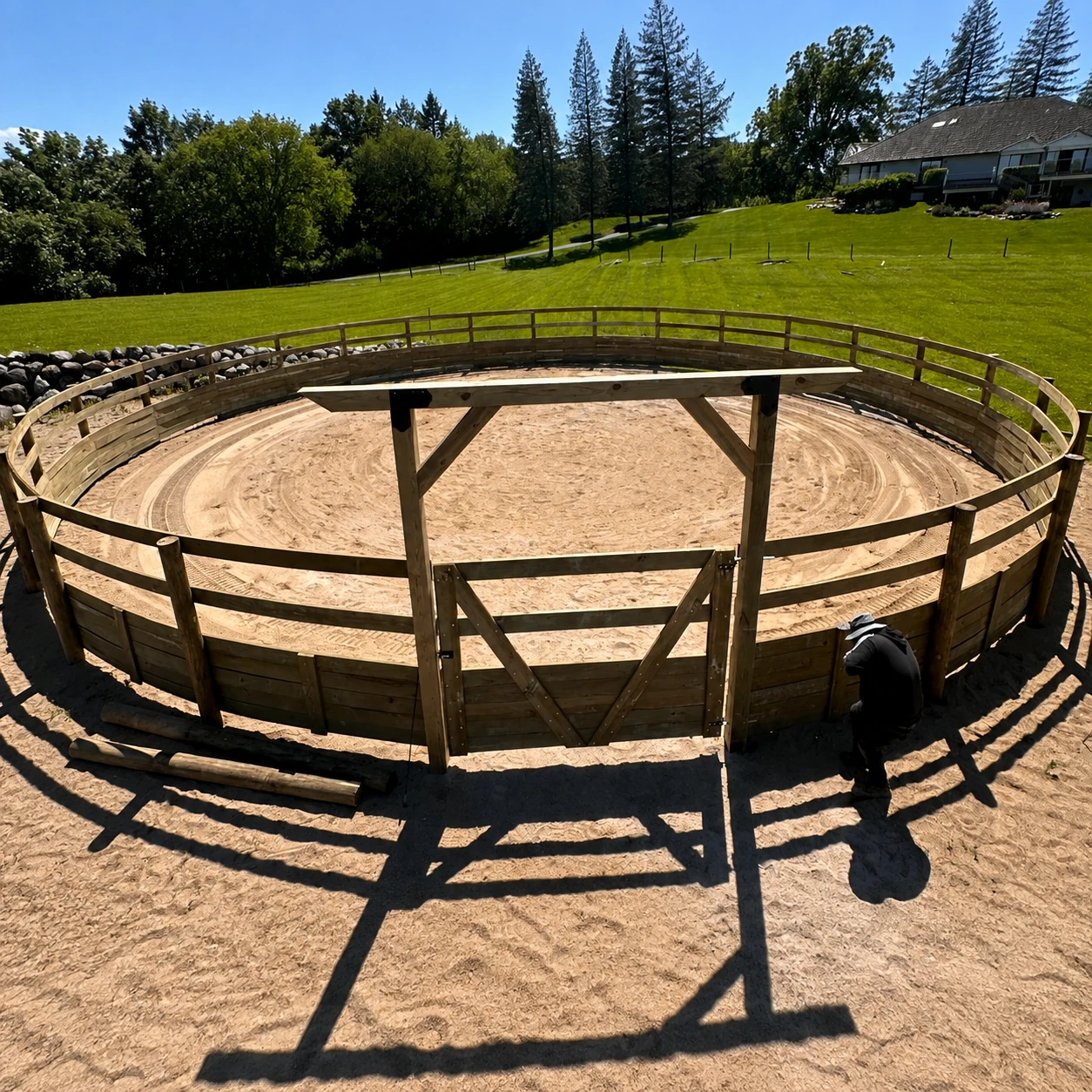
Fence design determines how a fencing system fits the land and supports the way the property is used. Before construction begins, the fence routes, materials, corners, braces, gates, animal areas, equipment access, terrain, drainage, and connections to existing fencing should be planned together.
Farmland Fencing provides professional fence-design services throughout the Chicago area for farms, agricultural properties, livestock facilities, horse properties, pastures, rural acreage, and property boundaries. Each plan is developed around the land, animals, daily operations, containment requirements, maintenance, budget, and future expansion.
Thoughtful fence design coordinates every boundary, division, corner, gate, material, and access point into one practical system before installation begins.
Fence Design Priorities
Design the Fence Around the Land and Its Use
A fence may define a boundary, contain animals, divide pastures, organize lanes, protect selected areas, or connect several working zones. The right layout balances the purpose, terrain, animal behavior, equipment movement, materials, maintenance, future changes, and budget.
Property Boundaries & Long Fence Runs
Property lines, perimeter routes, setbacks, corners, changes in direction, neighboring land, roads, waterways, wooded areas, and long fence runs should be identified before materials and construction methods are selected.
Livestock, Horse & Pasture Layouts
Pastures, paddocks, pens, corrals, lanes, holding areas, feeding zones, water access, shelters, animal pressure, and daily movement should guide fence height, spacing, materials, gates, and internal divisions.
Gates, Lanes & Working Access
Gate locations and widths should support livestock movement, tractors, trailers, mowers, feeding equipment, deliveries, maintenance, and emergency access without creating weak points or obstructing daily work.
Planning the Complete Fence System
Coordinate the Route, Structure, Materials, Gates, and Future Use
Professional fence planning coordinates the physical fence route with property use, terrain, containment requirements, suitable materials, structural support, gates, equipment access, maintenance, and future development.
Designing the complete system before construction helps prevent misplaced gates, weak corners, unsuitable materials, difficult mowing, interrupted drainage, disconnected enclosures, restricted equipment access, and expensive changes after installation.
✓ Property goals, boundary information, fence purpose, total distance, existing fencing, neighboring uses, roads, buildings, and setbacks
✓ Livestock species, horses, pets, crops, pasture divisions, animal pressure, containment risks, and daily movement
✓ Terrain, slopes, drainage, low areas, waterways, wooded sections, soil conditions, erosion, snowfall, vegetation, and mowing
✓ Fence materials, overall height, wire or rail spacing, mesh openings, post type, post spacing, corners, braces, anchors, and fasteners
✓ Gates for animals, handlers, tractors, trailers, mowers, feeding equipment, deliveries, utilities, and emergencies
✓ Connections between perimeter fencing, internal divisions, corrals, pens, lanes, buildings, and existing fence lines
✓ Construction access, maintenance needs, repair points, replacement phases, budget priorities, and future expansion
Our Process
From Property Review to a Buildable Fence Plan
01. Review the Property and Project Goals
We review how the property is used, what the fence must accomplish, the animals or areas involved, existing fencing, property information, terrain, drainage, buildings, roads, utilities, gates, equipment access, maintenance concerns, budget priorities, and future plans.
02. Establish the Route, Structure, and Access
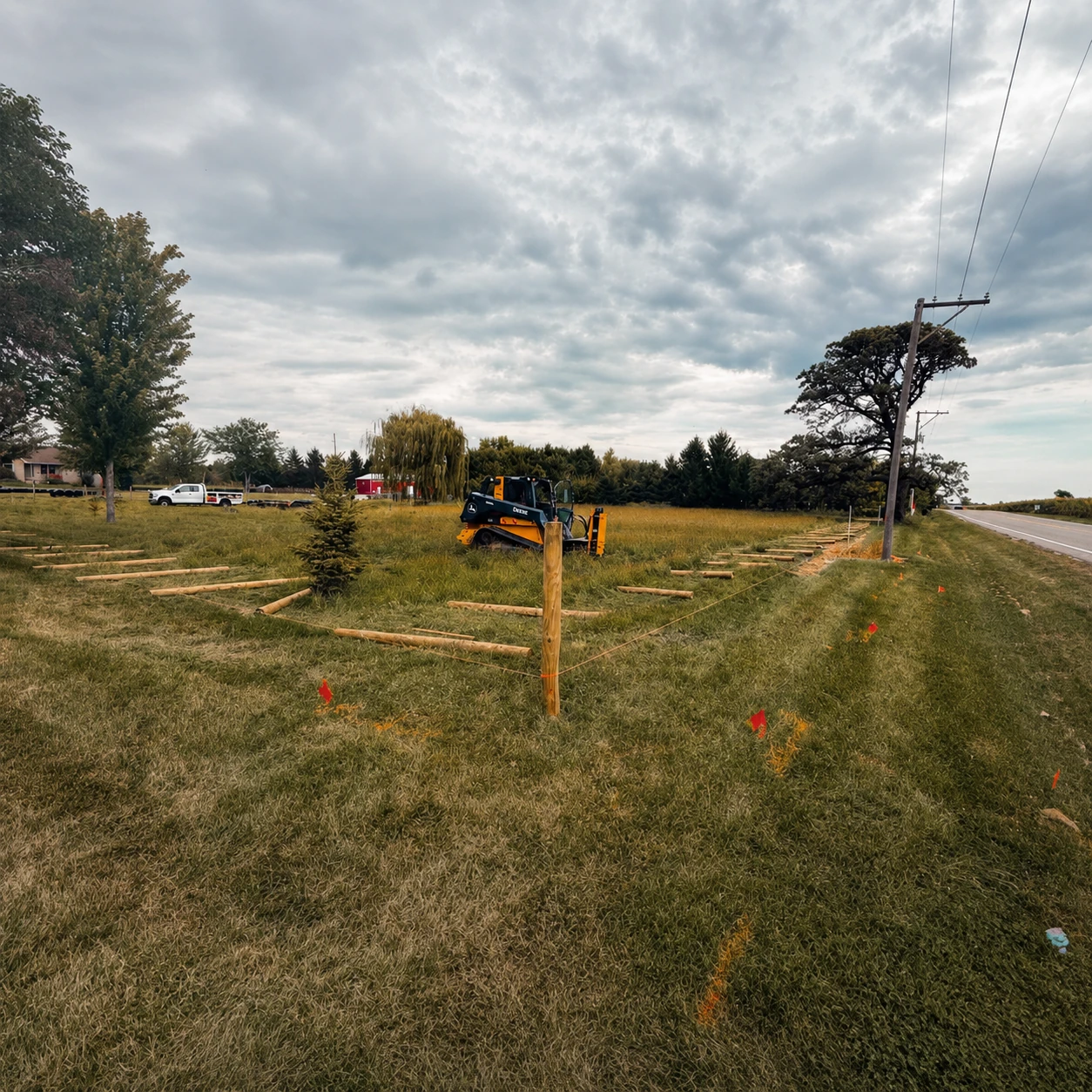
Fence routes, exterior boundaries, internal divisions, corners, braces, transitions, lanes, openings, gate locations, gate widths, equipment access, and connections to existing structures are coordinated around the land and daily operations.
03. Confirm Materials, Priorities, and Installation
Materials, height, post spacing, wire or rail configuration, mesh openings, fastening, reinforcement, construction phases, repair or removal needs, and future extensions are confirmed before installation begins.
Fence Design FAQs
Questions About Fence Design
What should be considered before choosing fence materials?
Fence design should consider property use, boundaries, livestock or animals, terrain, drainage, soil conditions, total fence length, suitable materials, height, spacing, corners, bracing, gates, equipment access, existing fencing, maintenance, budget, and future expansion.
How are the best gate locations and widths determined?
Gate location and width depend on who and what must pass through them, including livestock, handlers, tractors, trailers, mowers, feeding equipment, deliveries, utilities, and emergency vehicles. Swing direction, ground clearance, approach space, nearby corners, and fence strength should also be considered.
Can a fence be designed for future pasture or property changes?
Yes. A fence plan can account for future pasture divisions, additional livestock areas, new buildings, expanded equipment routes, added gates, and extensions to the original fence. Planning connection points and future phases early can reduce disruption and reconstruction.
Can problem areas in an existing fence be redesigned?
Yes. Existing fencing can be evaluated for poorly positioned gates, weak corners, unsuitable materials, drainage conflicts, difficult access, animal-pressure points, disconnected enclosures, and inefficient movement. The problem areas may be repaired, reinforced, reconfigured, partially replaced, or completely replaced.
What fence material should I use?
The right material depends on the animals, fence purpose, terrain, expected pressure, visibility, maintenance, total run length, appearance, and budget. Woven wire, high-tensile wire, board fencing, barbed wire, electric fencing, continuous panels, and post-and-wire systems serve different applications.
How much does professional fence design cost?
Cost depends on the property size, project complexity, number of fence sections, terrain, livestock areas, gates, material options, existing fencing, access requirements, and whether installation is included. A property review is needed for an accurate estimate.
Do you provide fence design throughout the Chicago area?
Farmland Fencing provides fence planning and installation for farms, livestock properties, horse facilities, pastures, rural acreage, and agricultural land throughout the greater Chicago area. Provide the property address, intended fence use, approximate length, animals, preferred materials, and gate requirements when requesting an estimate.
Explore Related Services
Related Services for a Complete Fence Project
New Fence Installation
Turn the approved layout into a complete new fence with the planned materials, posts, corners, braces, gates, transitions, and access points.
Fence Replacement
Redesign an outdated or poorly placed fence while deciding what can remain, what should be removed, and how the new system can solve recurring problems.
Agricultural Fencing
Plan a complete working-property system around fields, livestock areas, boundaries, interior divisions, equipment access, gates, maintenance, and future agricultural use.
Start Planning Your Fence
Let’s Design a Fence That Works for Your Property
Tell us how the property is used, what the fence must contain or protect, the approximate fence length, terrain, gates, equipment access, existing fencing, preferred materials, and project location. We’ll help you plan a coordinated fence system before installation begins.
Professional fence design for farms, acreage, livestock, horses, pastures, property boundaries, gates, repairs, replacements, and new installations throughout the Chicago, Illinois, area.