Complete Livestock Fencing Systems
Livestock Fencing in the Chicago, Illinois Area
Complete livestock fencing for cattle, sheep, goats, pigs, llamas, alpacas, pastures, paddocks, pens, gates, and working farms.
Pastures, Paddocks & Divisions
•
Animal & Equipment Access
•
Materials Matched to Livestock
•
Chicago Area Service
Complete Fencing for Livestock Properties
Livestock Fencing Built Around the Way Your Farm Works
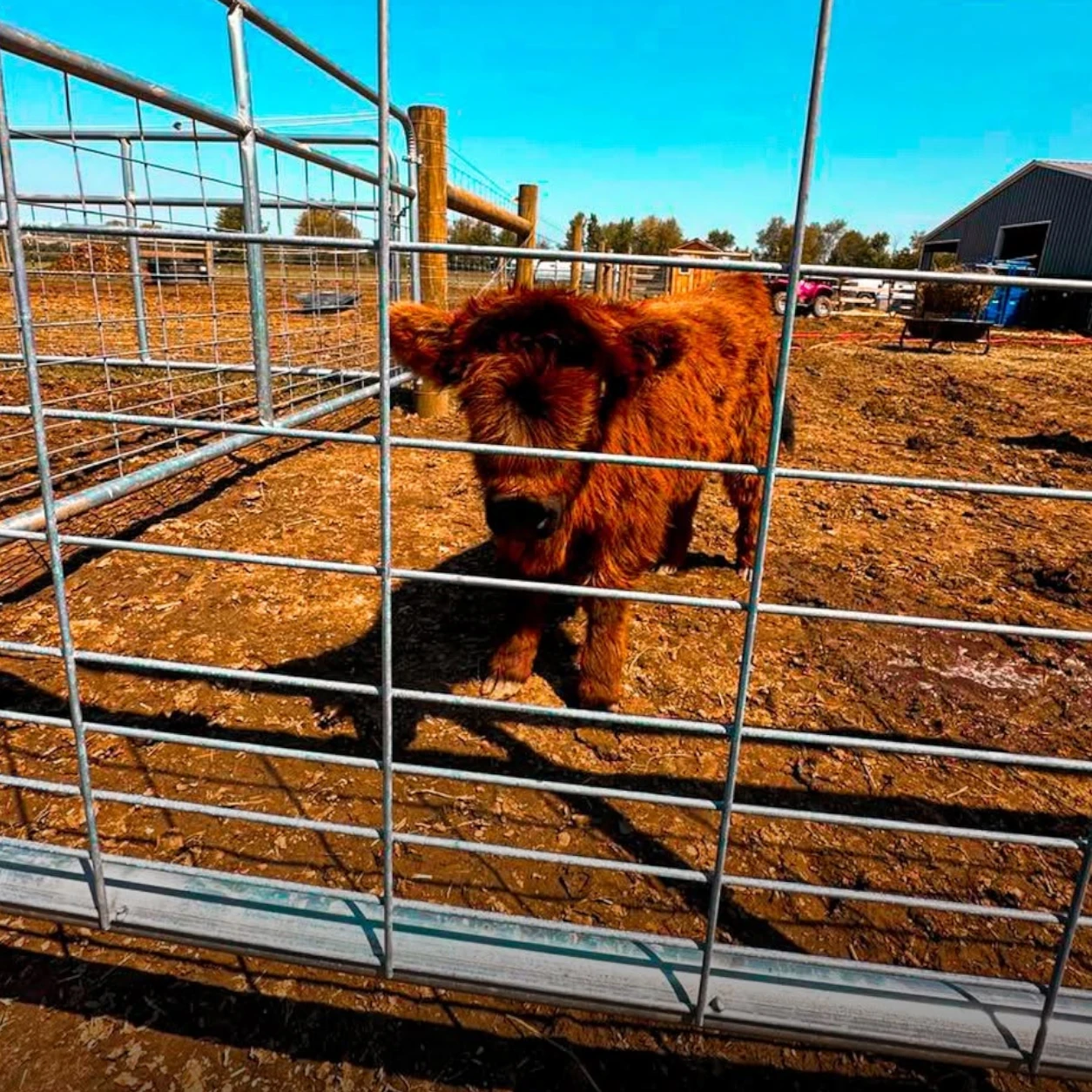
Livestock fencing does more than keep animals inside a boundary. A complete system organizes pastures, paddocks, pens, holding areas, lanes, gates, water access, feeding areas, shelters, and equipment routes around daily farm operations.
Farmland Fencing installs fencing throughout the Chicago area for cattle, sheep, goats, pigs, llamas, alpacas, and mixed livestock. Each system is planned around the animals, stocking pressure, property layout, terrain, grazing practices, existing fencing, gates, equipment access, maintenance, and future expansion.
A successful livestock-fencing system connects pastures, paddocks, pens, gates, lanes, and perimeter boundaries into one coordinated plan for animal movement and daily farm work.
Livestock Fencing Systems
Fence Materials for Pastures, Divisions, and Working Areas
One property may need different fence types across outer boundaries, large pastures, rotational paddocks, lanes, feeding areas, and high-use gates. We combine materials according to livestock behavior, fence length, terrain, visibility, maintenance, expected pressure, and budget.
Woven-Wire Fencing
A close physical barrier commonly used for sheep, goats, smaller livestock, mixed herds, paddocks, pens, and pastures when mesh size, height, fastening, and ground clearance are properly selected.
High-Tensile Fencing
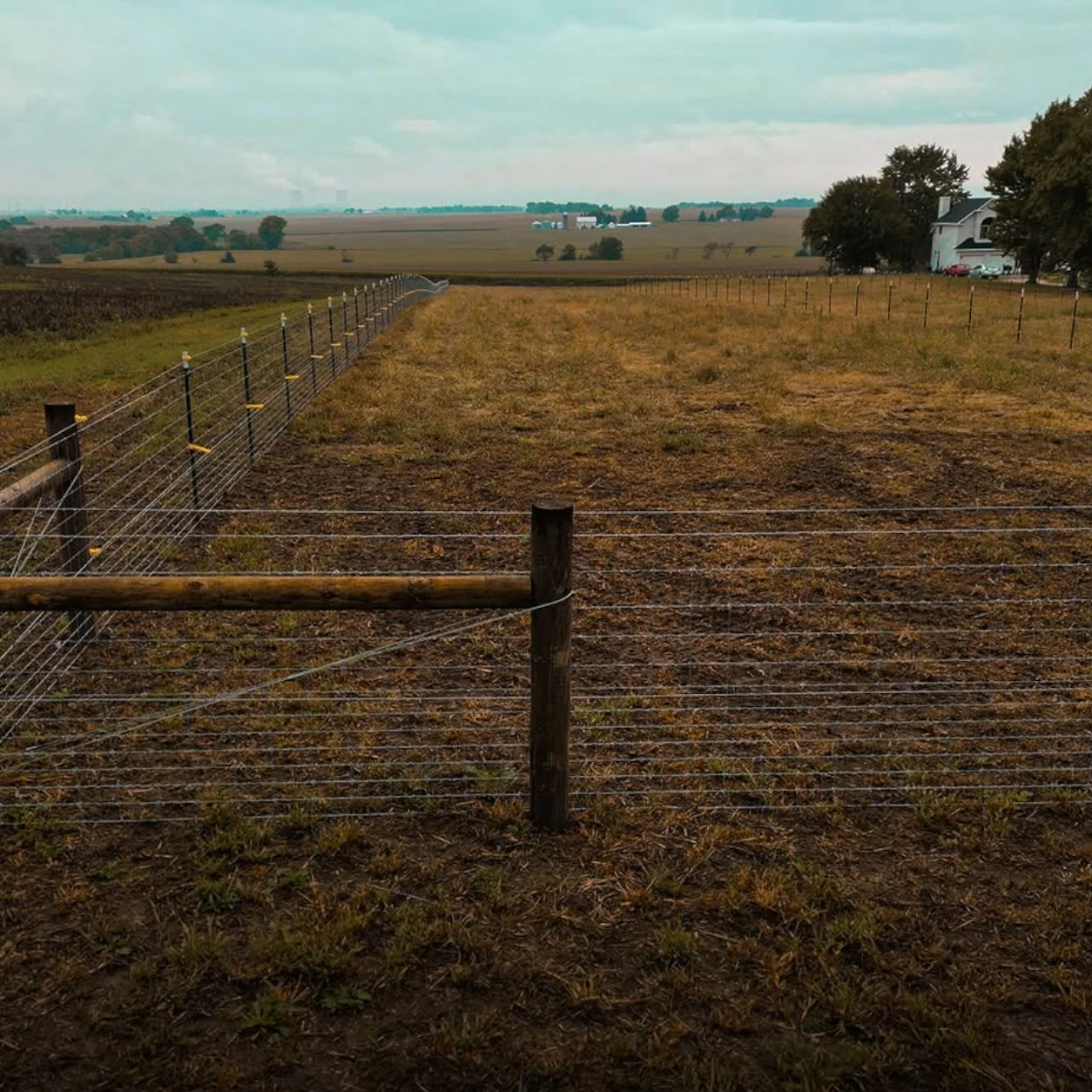
An efficient option for longer pasture boundaries and internal livestock divisions when wire configuration, tension, corners, bracing, visibility, and animal pressure are properly considered.
Electric Fencing
A flexible option for reinforcing suitable physical fencing or creating managed internal divisions when wire placement, energizer capacity, grounding, vegetation control, and maintenance are properly planned.
Planning the Complete Farm Layout
Coordinate Pastures, Gates, Boundaries, and Movement
Thoughtful fence design connects perimeter boundaries, pastures, paddocks, pens, holding areas, lanes, gates, water access, feeding areas, shelters, rotational grazing divisions, and equipment routes into one coordinated farm system.
Planning the entire livestock property before installation helps prevent disconnected enclosures, poorly positioned gates, difficult equipment access, weak corners, unsuitable divisions, and fence lines that interfere with daily work.
✓ Livestock species, animal size, herd groupings, stocking pressure, behavior, and daily routines
✓ Property boundaries, pastures, paddocks, pens, holding areas, feeding areas, shelters, and lanes
✓ Fence materials, height, mesh openings, wire spacing, ground clearance, corners, and bracing
✓ Terrain, drainage, soil conditions, vegetation, mowing, snowfall, erosion, and seasonal use
✓ Gates for livestock, handlers, tractors, trailers, feeding equipment, deliveries, and emergencies
✓ Existing fencing, repairs, replacement, removal, reinforcement, and future expansion
Our Process
From Property Review to a Complete Livestock-Fencing System
01. Review the Livestock and Property
We review the livestock species, herd groupings, pastures, paddocks, pens, daily movement, terrain, existing fencing, water and feeding areas, gates, equipment access, containment concerns, and future plans.
02. Design the Working Fence Layout
Perimeter boundaries, internal divisions, lanes, materials, height, spacing, corners, bracing, gates, reinforcement, and connections between livestock areas are planned as one coordinated system.
03. Install and Connect the System
Posts, wire, braces, gates, and reinforcement components are installed for dependable containment, practical livestock movement, equipment access, consistent alignment, and long-term farm use.
FAQs
Questions About Livestock Fencing
What type of livestock fencing is best for my farm?
The best fencing depends on the animal species, size, behavior, stocking pressure, enclosure use, terrain, maintenance, and budget. Woven wire, high-tensile, barbed wire, post-and-wire, and properly planned electric fencing may serve different parts of the same farm.
How much does livestock fencing cost?
Cost depends on total fence length, materials, height, wire configuration, post spacing, corners, bracing, terrain, soil conditions, gates, internal divisions, reinforcement, site access, and existing-fence removal. A property review is needed for an accurate estimate.
How should gates and livestock lanes be planned?
Gates and lanes should support routine animal movement, feeding, pasture rotation, equipment access, deliveries, and emergencies. Their width, location, swing direction, connections, and surrounding fence strength should be planned before installation.
Can a failing livestock fence be repaired or replaced?
Yes. Existing fencing can be evaluated for failed posts, loose or broken wire, weak corners, damaged braces, unsuitable openings, vegetation pressure, erosion, and gate problems. It may be repaired, reinforced, partially replaced, expanded, or completely replaced.
Can one livestock-fencing system use different materials?
Yes. A farm may use woven wire around smaller animals, high-tensile fencing along longer pasture boundaries, post-and-wire or barbed wire in suitable areas, and electric fencing for reinforcement or managed divisions. The materials should work together as one coordinated system.
Do you install livestock fencing throughout the Chicago area?
Farmland Fencing installs fencing for farms, pastures, paddocks, pens, rural acreage, and mixed-livestock properties throughout the greater Chicago area. Provide the property address, livestock species, approximate fence length, intended use, and gate requirements when requesting an estimate.
Explore Related Services
Related Services for Livestock Properties
Livestock Containment Fencing
Strengthen species-specific containment with suitable height, spacing, mesh openings, lower security, corners, gates, and optional electric reinforcement.
Cattle Fencing
Build cattle-specific pasture lines, field divisions, lanes, holding areas, pressure points, gates, repairs, and new installation.
Pasture Fencing
Create grazing boundaries and rotational divisions with practical gates, field connections, equipment access, repairs, and installation.
Start Planning Your Livestock Fence
Let’s Build a Stronger Fence Around Your Livestock
Tell us about your livestock, pastures, paddocks, pens, lanes, gates, existing fencing, terrain, equipment access, and project location. We’ll help you plan a complete livestock-fencing system around animal movement and daily farm work.
Professional livestock fencing for cattle, sheep, goats, mixed herds, pastures, lots, lanes, gates, repairs, replacements, and new installations throughout the Chicago, Illinois, area.