Boundaries Planned Around Your Land
Agricultural Property Fencing in the Chicago, Illinois Area
Agricultural property fencing planned for dependable boundaries, internal divisions, livestock containment, equipment access, and long-term land use.
Clear Boundaries
•
Secure Containment
•
Equipment Access
•
Chicago Area Service
Planned for the Whole Property
A Fencing System Built Around the Way You Use Your Land
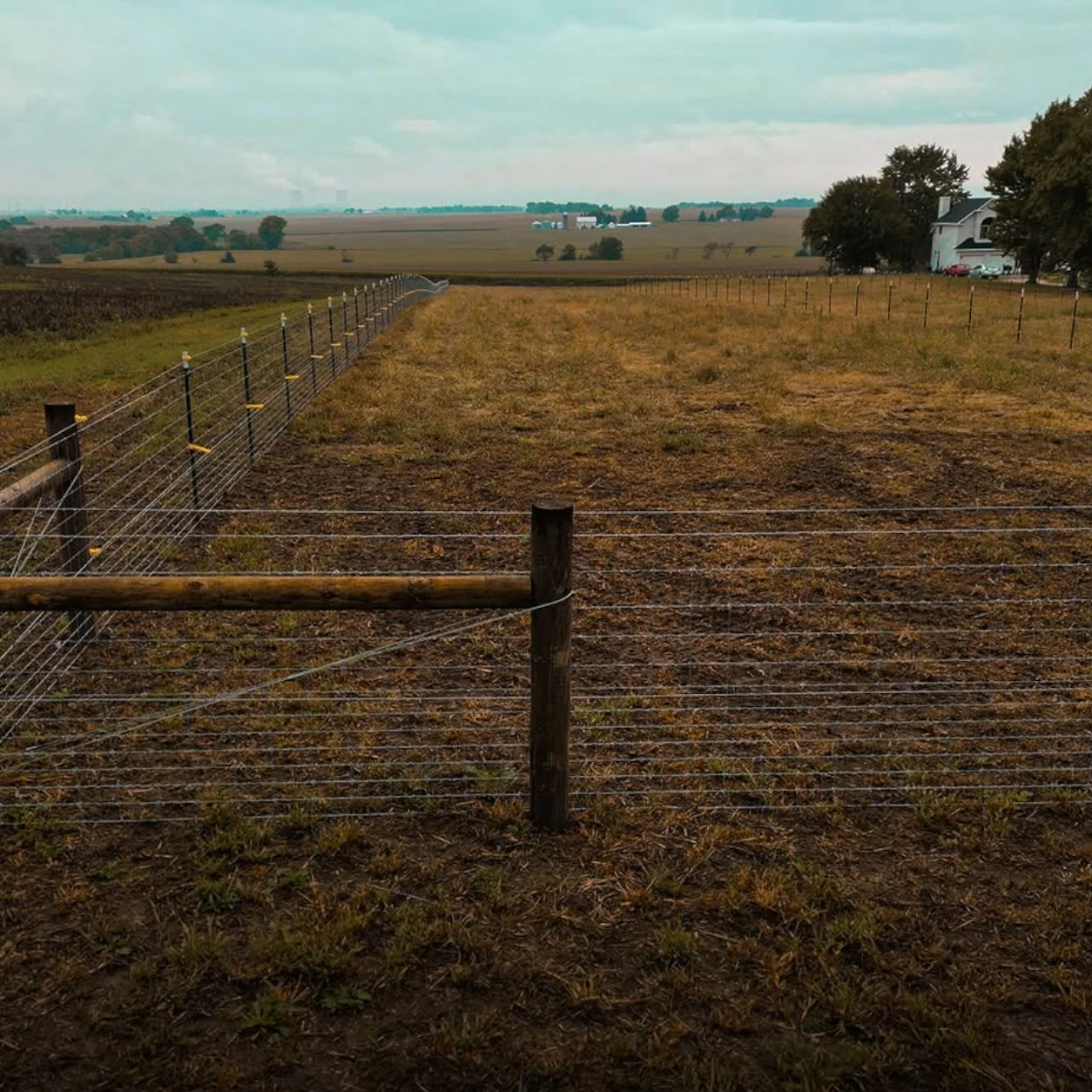
Agricultural property fencing does more than mark the outside edge of the land. It creates clear boundaries, supports livestock containment, protects crops and work areas, and divides the property so people, animals, and equipment can move efficiently.
Farmland Fencing plans complete agricultural property fencing systems around the terrain, property boundaries, internal divisions, drainage, elevation changes, soil conditions, gate locations, equipment access, maintenance expectations, and future use of the land.
The objective is a clean, durable fence layout that protects the property while improving organization, containment, and access.
Property Fencing Solutions
Fencing for Boundaries, Divisions, and Access
Each fence line should have a clear purpose. Materials and placement are selected according to the area being enclosed, the terrain, access requirements, containment needs, and long-term plans for the land.
Perimeter & Boundary Fencing
Define the outside limits of the agricultural property with strong, consistent fence lines planned around property boundaries, terrain, access, and adjoining land.
Internal Property Divisions
Separate pastures, livestock areas, crop sections, equipment zones, lanes, and other working spaces to improve control and organization.
Gates & Equipment Access
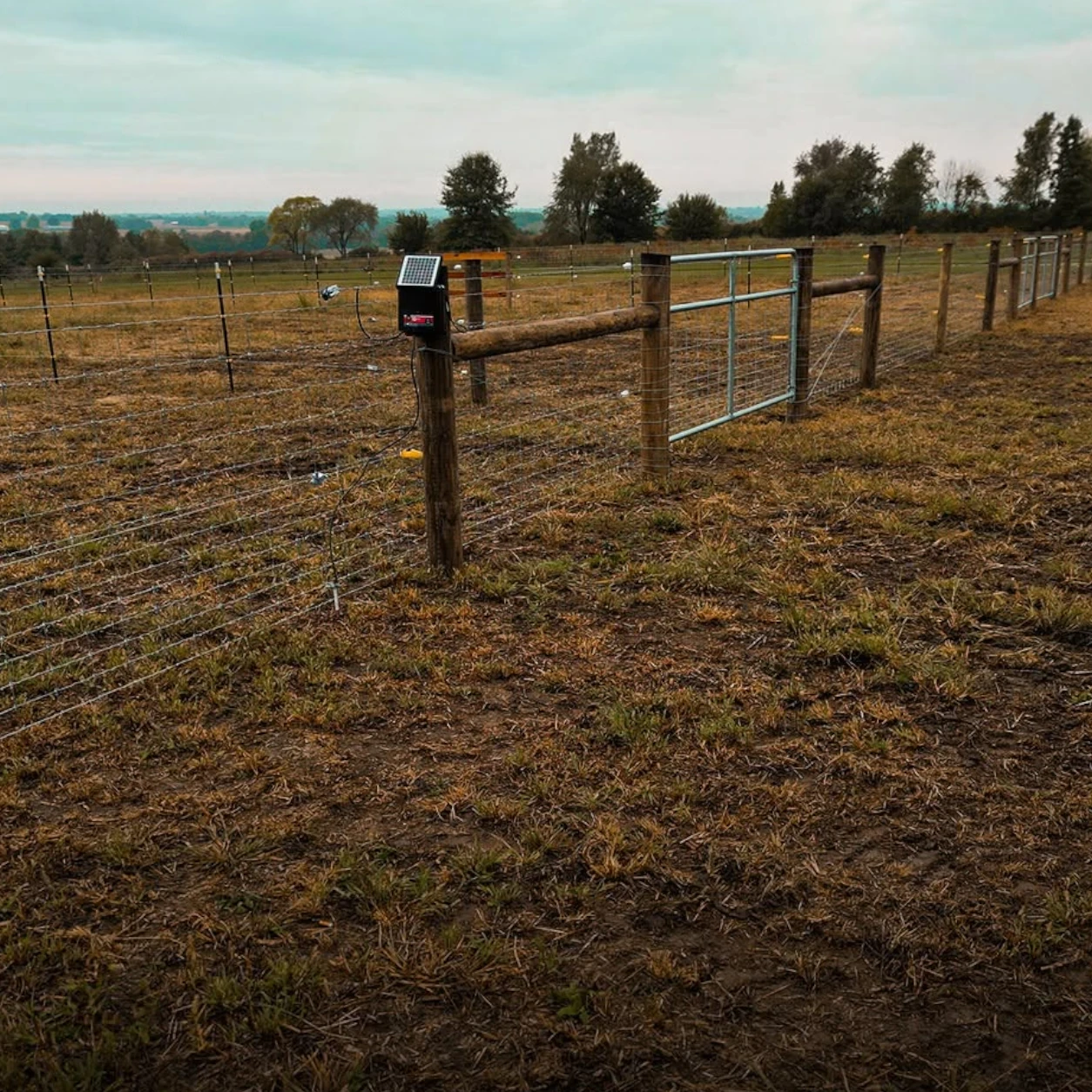
Plan properly sized and positioned gates for tractors, trailers, deliveries, livestock movement, maintenance, and everyday farm access.
Designed Around the Land
Reliable Property Fencing Starts With an Accurate Layout
Long agricultural fence lines must remain consistent across changing ground while connecting corners, braces, divisions, and access points into one dependable system.
Careful planning helps prevent misplaced fence lines, restricted equipment access, inconvenient gates, and internal divisions that no longer fit the way the property operates.
✓ Property lines, perimeter length, corners, and internal divisions
✓ Livestock areas, crop fields, pastures, lanes, and work zones
✓ Terrain, soil, drainage, elevation changes, and tree lines
✓ Tractors, trailers, vehicles, deliveries, and maintenance access
✓ Gate widths, placement, swing, bracing, and traffic flow
✓ Future land use, expansion, fence replacement, and maintenance goals
Our Process
From Property Review to Installation
01. Review the Property
We discuss the property boundaries, land use, livestock or crops, internal divisions, equipment access, gate requirements, and the purpose of each proposed fence line.
02. Plan the Fence Lines
Perimeter fencing, internal divisions, gates, corners, bracing, materials, and access points are planned around the terrain and how each part of the property is used.
03. Build for Long-Term Use
The fence and gates are installed with attention to layout, strength, drainage, elevation changes, equipment access, containment, and a clean finished appearance.
Agricultural Property Fencing FAQs
Questions About Agricultural Property Fencing
What type of fencing is best for an agricultural property?
The best system depends on the purpose of each fence line, livestock or crops, terrain, total length, access needs, and maintenance expectations. High-tensile, post-and-wire, woven-wire, barbed-wire, or combination systems may be appropriate after the property is reviewed.
How is the cost of agricultural property fencing determined?
Cost is affected by total fence length, material, post spacing, corners and braces, terrain, soil, clearing, gate quantity and width, access to the fence line, and whether old fencing must be removed, repaired, or replaced. A property-specific estimate is more reliable than a general per-foot figure.
Can the perimeter and internal divisions use different fence types?
Yes. The perimeter may require a different level of strength or containment than pasture divisions, crop areas, lanes, or equipment zones. Combining appropriate fence types can make the entire property more practical and cost-effective.
Can gates be included in the property fencing plan?
Yes. Gates can be planned for tractors, trailers, livestock movement, deliveries, mowing equipment, and daily access. Width, placement, swing direction, traffic flow, and surrounding bracing are considered as part of the complete property layout.
Explore Related Services
Related Services for Agricultural Properties
Agricultural Fencing
Compare durable fencing systems for livestock, fields, pastures, crops, and daily farm operations.
High-Tensile Fencing
Create strong, economical fence lines for long boundaries, pasture divisions, and livestock containment.
Gate Installation
Add properly sized and braced access points for equipment, vehicles, deliveries, and livestock movement.
Start Planning Your Fence
Let’s Plan the Right Fence for Your Property
Tell us about your property boundaries, internal divisions, livestock or crops, gate requirements, equipment access, and project location. We’ll help you plan a practical agricultural property fencing layout.
Professional agricultural property fencing throughout the Chicago, Illinois area.