Electric Fence Installation & Repair
Electric Fencing in the Chicago, Illinois Area
Electric fence installation and repair for livestock, rotational grazing, pasture divisions, existing-fence reinforcement, gates, and rural properties.
Permanent & Temporary Systems
•
Livestock & Rotational Grazing
•
Energizers, Grounding & Repairs
•
Chicago Area Service
Complete Electric Fence Systems for Working Land
A Reliable Electric Fence Is a Complete Circuit
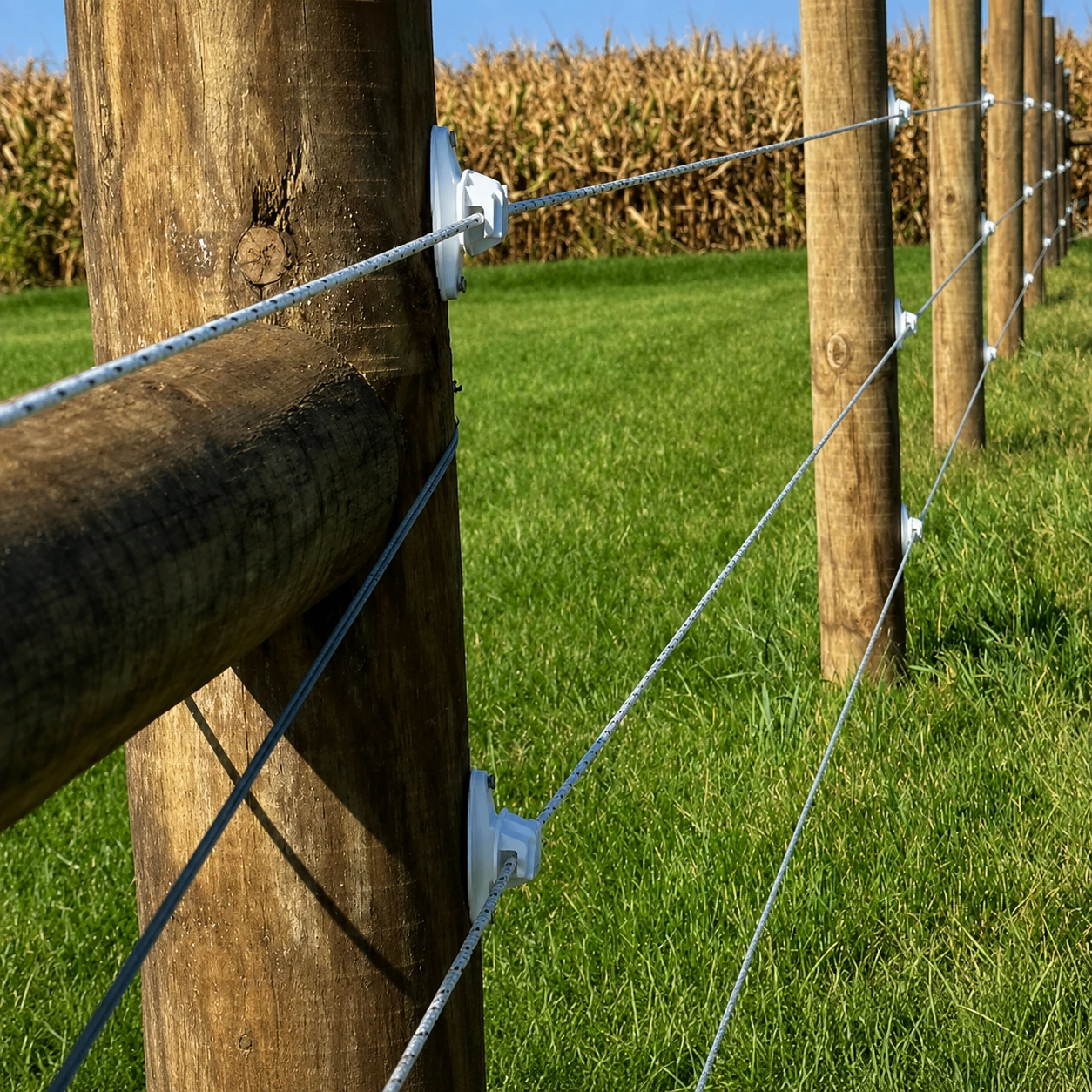
Electric fencing works by completing a controlled electrical circuit when an animal contacts an energized conductor while grounded. Reliable performance depends on far more than the wire itself: the energizer, grounding system, conductors, insulators, posts, connections, gates, vegetation control, and animal training must work together.
Farmland Fencing installs and repairs electric fencing throughout the Chicago area for livestock containment, rotational grazing, pasture divisions, temporary enclosures, permanent boundaries, and reinforcement of suitable existing fences. Each system is planned around the animals, total fence length, soil conditions, vegetation, terrain, power source, gates, and expected pressure.
A dependable electric fence combines a properly sized energizer, an effective grounding system, conductive fence lines, insulated connections, protected gates, and routine voltage testing.
Electric Fencing Applications
Choose the Electric System That Fits the Property
Electric fencing can create a permanent livestock boundary, protect an existing fence from rubbing and leaning, or form adjustable interior divisions for grazing. The right system depends on the animals, purpose, total distance, terrain, vegetation, power availability, visibility needs, maintenance routine, and budget.
Permanent Electric High Tensile Fencing
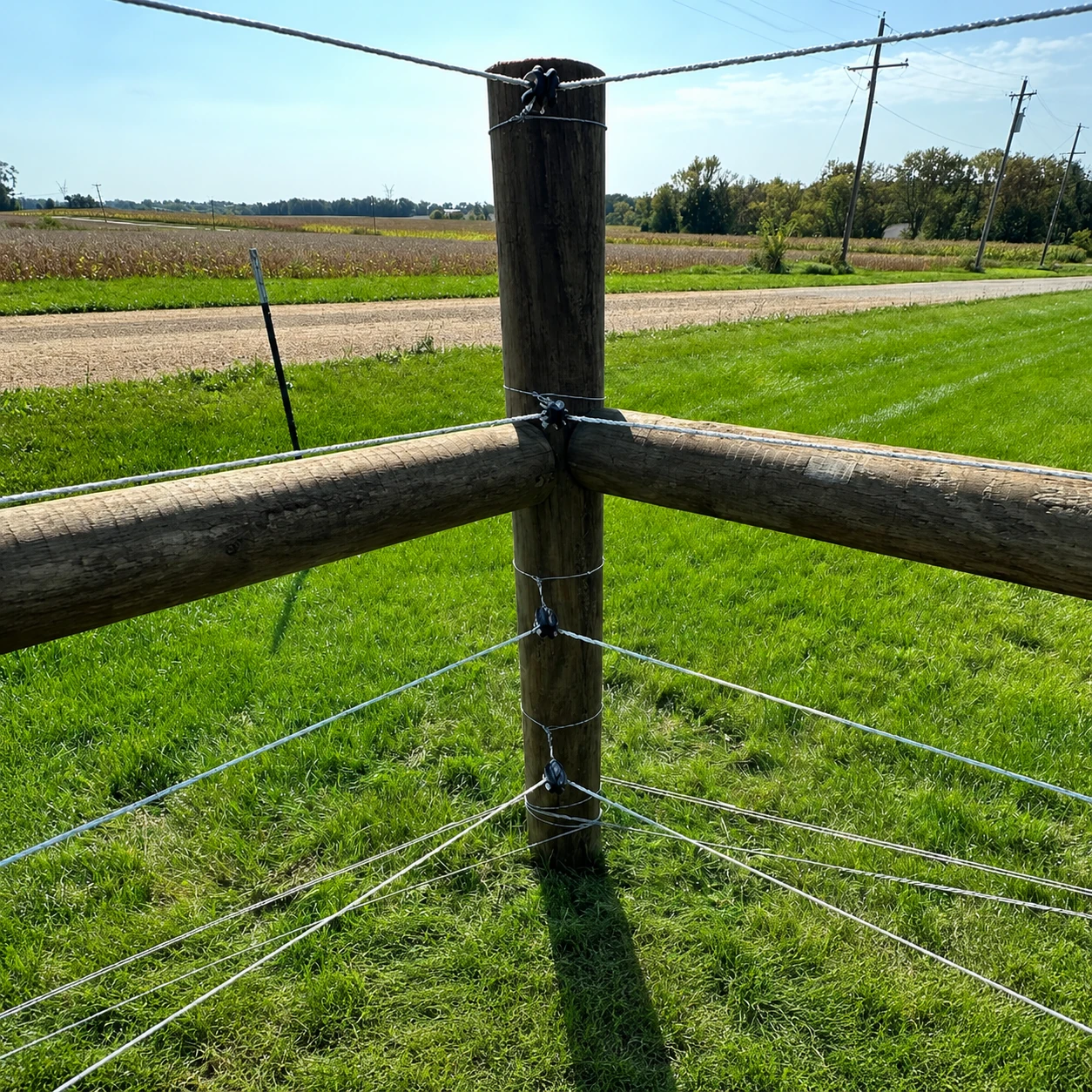
High-tensile conductors can form durable permanent electric fencing for livestock boundaries, pasture divisions, and longer fence runs when corners, bracing, tension, insulation, grounding, and visibility are properly planned.
Electric Reinforcement for Existing Fences
Offset electric wires can discourage livestock from leaning, rubbing, climbing, or placing pressure on suitable woven-wire, board, barbed-wire, or post-and-wire fencing.
Temporary & Interior Grazing Divisions
Portable posts and conductors can create flexible internal divisions for rotational grazing and managed livestock movement when animals are properly trained and the system receives consistent power.
Planning the Electric System
Coordinate Power, Grounding, Conductors, Gates, and Land Conditions
Thoughtful fence design determines the appropriate energizer capacity, grounding arrangement, conductor type, wire placement, gate connections, lightning protection, and vegetation-management requirements for the property.
Planning the entire circuit before installation helps prevent inadequate voltage, weak grounding, short circuits, poor gate connections, excessive vegetation contact, difficult testing, and unreliable performance at distant sections of the fence.
✓ Livestock species, animal size, temperament, stocking pressure, previous electric-fence experience, and containment risks
✓ Permanent boundaries, rotational-grazing divisions, temporary enclosures, laneways, gates, and reinforcement of existing fencing
✓ Total energized distance, number of conductors, wire height, spacing, visibility, insulation, and connections
✓ Energizer type and capacity, available electrical service, solar options, battery requirements, and protected placement
✓ Ground-rod quantity, depth, spacing, soil moisture, soil type, drought conditions, snow, and seasonal performance
✓ Underground gate leads, cut-out switches, lightning protection, fault-finding points, warning signs, and testing locations
✓ Grass, weeds, brush, fallen branches, drainage, low areas, mowing access, and ongoing vegetation control
✓ Existing fencing, damaged components, repairs, replacement, reinforcement, expansion, and future grazing divisions
Our Process
From Property Review to a Tested Electric Fence
01. Review the Livestock, Property, and Existing Fence
We review the livestock, containment goals, existing fencing, total fence length, terrain, soil conditions, vegetation, power availability, gates, grazing plan, pressure points, maintenance needs, and future expansion.
02. Design the Circuit and Physical Layout
The energizer, grounding system, conductors, wire height and spacing, posts, insulators, corners, braces, gate connections, cut-out switches, lightning protection, and testing points are planned as one complete system.
03. Install the Components, Energize, and Test
Posts, conductors, insulators, grounding components, underground leads, gates, connections, and protective equipment are installed. The completed system is energized and tested at multiple locations for dependable performance.
Electric Fencing FAQs
Questions About Electric Fencing
What does a complete electric-fence system include?
A complete system may include an appropriately sized energizer, grounding rods, conductive wire or rope, insulated lead-out cable, posts, insulators, corners, braces, gate connections, cut-out switches, lightning protection, warning signs, and voltage-testing points. Requirements depend on the property and intended use.
Can electric fencing be used as the primary fence?
Electric fencing can serve as a primary boundary in suitable livestock and grazing applications when the design, conductor placement, visibility, energizer capacity, grounding, maintenance, and animal training are appropriate. Some properties or animals benefit from combining it with a physical fence.
Can electric fencing reinforce an existing fence?
Yes. Offset conductors can help discourage livestock from leaning, rubbing, climbing, or placing pressure on suitable board, woven-wire, barbed-wire, or post-and-wire fencing. The existing fence and proposed electric components should be evaluated together.
How do vegetation, dry ground, and snow affect performance?
Vegetation touching energized conductors can drain power from the system. Dry, frozen, or snow-covered ground can also reduce the effectiveness of a conventional grounding arrangement. Grounding, conductor configuration, energizer capacity, and maintenance should reflect local seasonal conditions.
Can an underperforming electric fence be repaired?
Yes. An existing system can be checked for inadequate grounding, damaged insulators, poor connections, broken conductors, weak energizer output, faulty underground leads, vegetation contact, gate problems, and unsuitable system capacity. It may be repaired, upgraded, extended, or replaced.
How much does electric fencing cost?
Cost depends on total fence length, number and type of conductors, energizer capacity, grounding requirements, posts, corners, braces, gates, power availability, terrain, vegetation, lightning protection, existing-fence work, and temporary or permanent use. A property review is needed for an accurate estimate.
Do you install electric fencing throughout the Chicago area?
Farmland Fencing installs and repairs electric fencing for livestock properties, farms, pastures, rotational-grazing systems, and rural acreage throughout the greater Chicago area. Provide the property address, livestock type, approximate fence length, intended use, power availability, and gate requirements when requesting an estimate.
Explore Related Services
Related Services for Electric Fencing
High Tensile Fencing
Build long permanent runs with properly tensioned high-tensile wire, reinforced corners, suitable post spacing, gates, and optional energized conductors.
Livestock Containment Fencing
Plan species-appropriate containment around animal pressure, fence height and spacing, weak points, gates, pasture divisions, and electric reinforcement.
Gate Installation
Add practical farm and livestock access points with secure posts, suitable widths, reliable hardware, and safe electric connections across each opening.
Start Planning Your Electric Fence
Let’s Build a Dependable Electric Fence System
Tell us about your livestock, pastures, existing fencing, total fence length, terrain, vegetation, gates, available power, containment concerns, and project location. We’ll help you plan a dependable electric-fence system with proper energizing, grounding, connections, and testing.
Professional electric fencing for livestock, rotational grazing, pasture divisions, existing-fence reinforcement, gates, troubleshooting, repairs, and new installation throughout the Chicago, Illinois area.